
There is a distinct moment when pavement dissolves into washboard gravel, cell service drops to zero bars, and the only soundtrack left is the rhythmic hum of all-terrain tires grinding against red desert dirt. That transition is where overlanding truly begins. In a world increasingly chained to glowing screens and rigid schedules, heading into the untamed backcountry with a capable rig and self-sufficient gear is one of the last true frontiers of American freedom.
Overlanding isn’t merely car camping with extra rooftop accessories, nor is it high-speed rock crawling. It is the art of self-reliant vehicular travel—where the journey itself is the objective, and your ability to thrive depends entirely on preparation, mechanical respect, and the durability of what you carry.
Whether you are piloting a weathered 1985 Toyota Land Cruiser, a built 4Runner, an overland-ready Tacoma, or a modern Bronco through the remote canyons of Utah or the dense pine forests of the Ozarks, this comprehensive field guide covers the essentials: critical rig preparation, camp sustainability, why synthetic clothing fails by the fire, and gear built to endure decades of trail dust.
Self-Reliance Is Not Optional
When you are sixty miles beyond the nearest paved service station in the high desert, AAA cannot rescue you. Every piece of equipment in your rig—from your recovery boards to the shirt on your back—must perform reliably under harsh real-world conditions.
1. The Mechanical Trinity: Backcountry Rig Preparation
Before bolting fancy rooftop tents or amber ditch lights to your vehicle, your primary investment must always be mechanical health and recovery capability. An overland expedition ends abruptly if your cooling system overheats or you slip a bead in deep sand without recovery gear.
1.1. Tire Management & Pressure Regulation
Your tires are your only contact point with the earth. Airing down from highway pressures (typically 35–40 PSI) down to 15–20 PSI when hitting rocky trails or soft sand is the single most effective upgrade you can make. It dramatically expands your tire’s contact patch, increases traction, protects your suspension, and cushions your entire rig against punishing washboard chatter.
- Rapid Tire Deflator: A brass gauge deflator that pulls the valve core allows you to drop pressure on four 33-inch tires in under five minutes.
- Heavy-Duty 12V Air Compressor: Never venture off-pavement without the means to air back up before returning to highway speeds.
- Tire Plug Kit & Valve Stems: Sidewall tears and sharp shale are backcountry realities. Practice plugging a punctured tire in your driveway before you need to do it at dusk in a thunderstorm.
1.2. Recovery Architecture
Getting stuck is an inevitable chapter of any worthwhile overland expedition. The secret is turning a potential survival scenario into a calm, ten-minute recovery routine.
- Kinetic Snatch Ropes over Chains: Kinetic recovery ropes use kinetic energy and stretch to slingshot a bogged rig smoothly without the catastrophic shock loading of static tow straps or steel chains.
- Traction Boards: A pair of heavy-duty composite traction boards wedged under drive wheels can extract a vehicle from mud, snow, or powdery silt without requiring a winch anchor tree.
- Rated Soft Shackles: Ditch heavy steel D-rings wherever possible. High-molecular-weight polyethylene soft shackles are lighter, safer, and eliminate dangerous metal flying hazards.
2. Camp Craft & Remote Sustenance
A great campsite isn’t about luxury glamping—it’s about intentional simplicity. When you reach a secluded overlook at 9,000 feet, your camp setup should allow you to settle in, brew hot coffee, cook honest food, and soak in the stillness without fighting convoluted tent poles.
2.1. The 12V Cold Chain vs. Melting Ice
Nothing sours a multi-day trail run faster than soggy, floating bacon and lukewarm milk in a cheap cooler. A dedicated 12V compressor fridge wired to an auxiliary AGM or LiFePO4 battery (paired with a 100W solar blanket) ensures fresh ribeyes, crisp greens, and cold craft beer for two weeks off the grid.
2.2. Water Independence
Calculate one gallon of potable water per person per day for drinking, plus an additional half gallon for cooking and cleaning. In arid territory, double that metric. Use durable food-grade roto-molded jerry cans or stainless steel canteens rather than flimsy single-use plastic jugs that crack and leak under trail vibrations.
“The campfire is the true living room of the American wilderness. It demands clothes that can take flying cedar sparks, engine grease, and cool canyon drafts without melting or tearing.”
3. Why Synthetic Fleece Melts: The Heavyweight Cotton Advantage
Walk into any modern outdoor retail chain and you will be inundated with polyester fleece, nylon windbreakers, and technical plastic shells. While synthetic garments have their place on high-altitude alpine summit ascents, they reveal their fatal flaw the second you sit down around an evening campfire.
The Campfire Spark Reality: When crackling pine or dry juniper throws a red-hot ember onto synthetic fleece, the polyester instantly melts into a blackened hole—or worse, melts directly onto your skin.
This is why experienced overlanders, field mechanics, and outdoorsmen wear 100% heavyweight ring-spun cotton. A sturdy 6.1 oz cotton shirt like the Comfort Colors 1717 shrugs off stray embers with nothing more than a faint brush of your hand. It breathes naturally, doesn’t trap rancid body odors after forty-eight hours on the trail like synthetic polyester gym shirts, and absorbs the honest patina of camp smoke and dust.
4. Field-Tested Americana Tees Built for the Trail
At Rust & Roam Co., our roots lie squarely in garage mechanics, dusty trail rigs, and remote desert passes. Here are four graphic tees from our 4×4 Overland Rig Collection crafted on 6.1 oz garment-dyed Comfort Colors blanks:
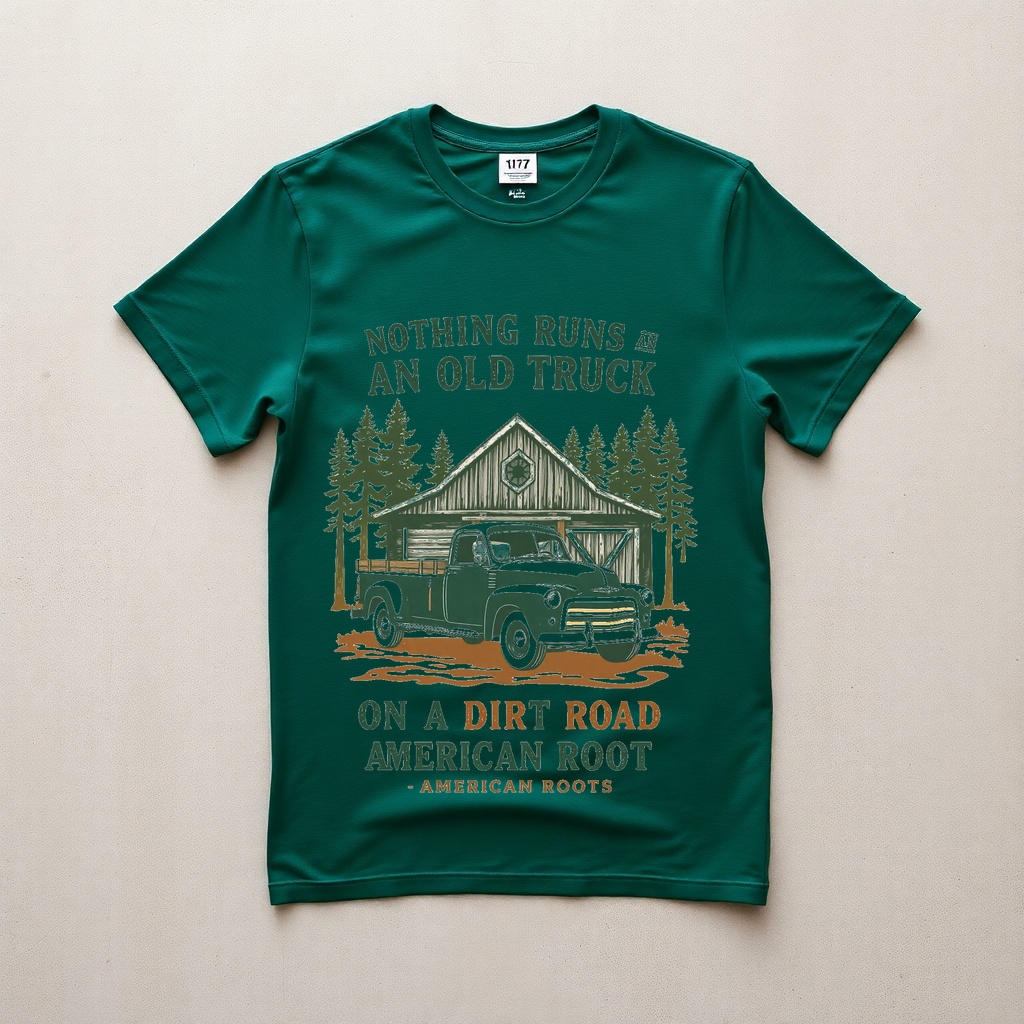
Old Trucks & Dirt Roads Heritage Tee
Vintage Pepper Washed Cotton • $34.00
A tribute to squarebody iron, leaf springs, and two-track trails that don’t appear on GPS maps.
Weekend Forecast 100% Campfire Tee
Garment-Dyed Heavyweight Cotton • $34.00
Featuring a rugged retro badge honoring pine smoke, black cast iron, and starry skies.
5. Tread Lightly: The Unspoken Backcountry Code
Overland access across public lands (BLM, National Forest System) is a precious privilege under constant threat from trail closures caused by irresponsible travelers. Preserving these backcountry corridors requires collective stewardship:
- Stay on Established Two-Tracks: Never blaze new trails across fragile desert crusts, alpine meadows, or riparian creek beds.
- Campfire Discipline: Only burn in designated fire rings or portable fire pans. Drown fires completely until coals are cool to the touch.
- Pack It Out Completely: Leave your dispersed campsite cleaner than you found it. Pick up micro-trash, bottle caps, and discarded gear.
6. Frequently Asked Questions About Overland Gear
Do I need a 4-inch suspension lift and 37-inch tires to go overlanding?
Absolutely not. Some of the most epic overland routes across North America—including the White Rim Trail, the Mojave Road, and the Blue Ridge trail passes—can be navigated by a stock 4×4 or AWD vehicle with quality all-terrain tires, good ground clearance, and sensible driver line selection.
Why do you recommend 6.1 oz heavyweight tees instead of quick-dry athletic shirts?
Synthetic quick-dry athletic tees hold unpleasant bacterial body odor after one day of trail work, feel sticky against sweaty skin, and melt instantly if touched by an ember. Heavyweight 6.1 oz ring-spun cotton naturally breathes, resists campfire sparks, softens with wash and wear, and provides rugged thorn protection.
Gear Up for Your Next Trail Run
Explore all 100 heritage designs hand-screened on Comfort Colors 1717 blanks. Dispatched from Austin, TX in 24–48 hours.
Written by The Rust & Roam Editorial Team
Born out of dusty backroads, early dawn river casts, and crackling pine embers. We obsess over heavyweight Americana blanks, breathable water-based inks, and timeless heritage gear that wears in, not out.