
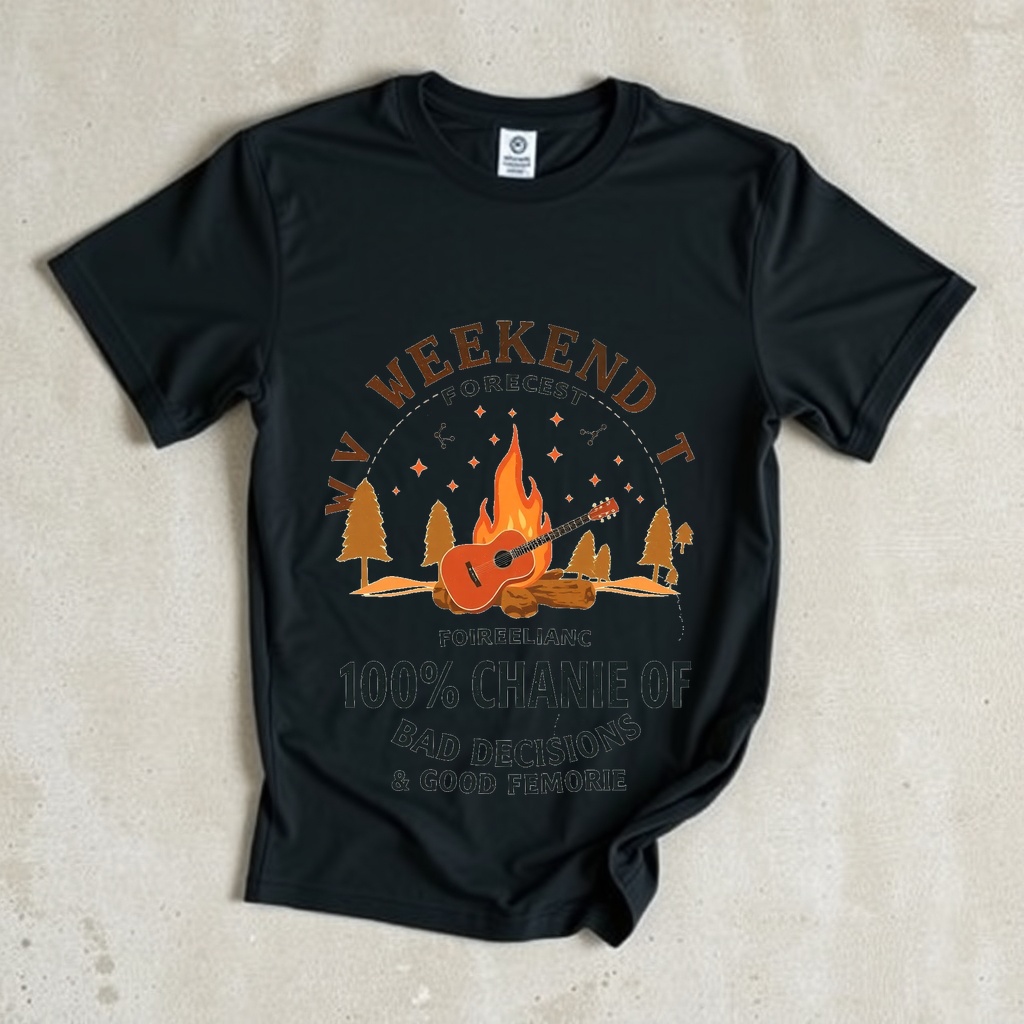
We have all experienced the tragedy of a beloved t-shirt meeting an untimely demise: a collar that curls into bacon after three cycles, side seams that twist twenty degrees off-center, or a vibrant vintage graphic that flakes away in brittle plastic chunks. When you invest in an authentic, heavyweight graphic tee like the Comfort Colors 1717, you aren’t buying fast fashion meant for a landfill. You are buying a garment engineered to last ten to fifteen years—provided you treat it with the respect it deserves.
Unlike cheap promotional shirts made from carded open-end cotton, authentic garment-dyed tees undergo a specialized dye and wash process that gives them their legendary buttery hand-feel, weathered patina, and zero-shrink stability. But because of this specialized treatment, standard high-heat laundry routines can prematurely degrade the pigment.
At Rust & Roam Co., our Austin screen-printing workshop has tested hundreds of laundry wash cycles to determine the definitive care protocol. Here is the master field guide on how to wash, dry, stain-treat, and store your heavyweight garment-dyed tees so they age like fine denim.
The Cold Water, Inside-Out Creed
Wash inside-out in cold water (30°C / 85°F) with mild liquid detergent. Hang dry or tumble dry on low heat. Avoid bleach, fabric softeners, and scorching dryer temperatures.
1. The Science of Garment Dyeing vs. Piece Dyeing
To properly care for your shirt, it helps to understand how it was born. Most mass-market t-shirts use piece-dyed fabric: the cotton yarn or large rolls of knitted fabric are dyed in massive vats before being cut and stitched together. This produces flat, uniform color but leaves the garment prone to twisting and dramatic shrinkage when exposed to home laundry heat.
The Comfort Colors 1717 is garment-dyed. The shirt is cut, stitched into its final tubular shape, and then dyed and washed in specialized pigment vats. This achieves three vital benefits:
- Pre-Shrunk Stability: Because the shirt has already been through intense commercial wash and dye cycles, it will not shrink dramatically in standard home washes.
- Vintage Washed Patina: The pigment settles into the seams, collar ribbing, and hem, creating subtle tonal highlights reminiscent of a true 1980s or 90s vintage find.
- Super-Soft Broken-In Touch: Garment dyeing softens the 100% ring-spun cotton fibers, eliminating the stiff cardboard feel of raw promotional blanks.
2. The 4 Commandments of Washing Garment-Dyed Tees
2.1. Always Flip Inside-Out
During a washing machine agitation cycle, garments rub aggressively against the drum walls and against each other. Turning your shirt inside-out protects the outer face of the fabric from micro-abrasions and prevents physical friction from degrading the breathable water-based screen print ink.
2.2. Cold Water Cycles Only
Hot water opens cotton fibers and accelerates the shedding of surface pigment. Washing in cold water (cold or tap temperature, roughly 20°C–30°C / 68°F–85°F) effectively removes sweat, dirt, and dust without stripping the rich pigment dye or stressing the cotton weave. Modern laundry detergents are specifically engineered to activate in cold water, saving energy while preserving your clothing.
2.3. Ditch Bleach & Synthetic Fabric Softeners
Chlorine bleach and aggressive optical brighteners will leave blotchy discolored streaks on garment-dyed cotton. Equally damaging are commercial liquid fabric softeners: they coat natural cotton fibers in a thin layer of chemical silicone wax, reducing breathability and causing graphic inks to degrade over time. If you want natural softness, add half a cup of distilled white vinegar to the rinse cycle—it dissolves mineral deposits and rinses away cleanly with zero vinegar smell.
2.4. Wash with Like Colors for the First 2–3 Cycles
Because pigment-dyed garments carry excess surface dye, minor color bleeding can occur during the initial few washes. Always wash dark shades (Pepper, True Navy, Moss) with darks, and lighter tones (Khaki, Ivory) with light clothing during early laundry days.
3. The Drying Protocol: Hang-Dry vs. Low-Heat Tumble
If the washing machine cleans the garment, the dryer is where clothes go to die. High heat from electric dryers breaks down cotton cellulose fibers (that lint in your trap is literally your shirt slowly disintegrating) and shrinks ribbed neck collars.
Natural Line / Hang Drying
Smooth the shirt with your hands and hang it on a sturdy wooden drying rack away from harsh direct sunlight. Zero heat damage, zero shrinkage, and preserves screen print flexibility for over a decade.
Tumble Dry on Delicate Low Heat
If time requires machine drying, use the lowest heat setting (Delicates / Low Tumble). Remove the shirt while it is still slightly damp (around 90% dry) and let it air-finish on a flat surface to eliminate wrinkles.
4. Tackling Backcountry Stains Without Ruining the Wash
An authentic lifestyle tee is meant to be worn outdoors. When you inevitably get trail grime on your shirt, here is how to treat it without bleaching the vintage dye:
- Campfire Smoke Odor: Never use heavily perfumed dryer sheets. Hang the shirt outdoors in fresh air for several hours, or wash with a cup of baking soda added directly to the drum.
- Trail Grease / Food Oil: Apply a dab of clear liquid dish soap (like Dawn) directly to the grease spot, gently massage with your fingertips, let it rest for 15 minutes, then wash on a cold cycle.
- Pine Sap: Place an ice cube directly over the hardened sap to make it brittle, gently scrape the bulk away with a dull butter knife, then dab a small amount of isopropyl alcohol with a cotton swab before washing.
5. Storage: Why You Should Fold, Never Hang on Wire
A 6.1 oz heavyweight tee carries substantial mass. Storing heavyweight cotton on thin metal wire hangers will cause the shoulder seams to stretch into unsightly “hanger nipples” and will stretch out the ribbed collar over time.
The Better Method: Fold your tees neatly using the classic flat retail fold and store them flat in a drawer or on a closet shelf. If you must hang them, use wide-shoulder wooden or contoured velvet hangers that distribute the weight across the entire yoke.
6. Frequently Asked Questions About Garment Care
Can I iron my Rust & Roam graphic tee?
Yes, but never run a hot iron directly across the graphic print. Turn the shirt inside-out and iron on the reverse side on a medium cotton setting, or place a clean cotton cloth/parchment paper between the iron and the graphic.
Will the vintage wash fade over time?
Garment-dyed tees are designed to gracefully evolve with wear. Over dozens of washes, the pigment subtly softens around high-friction points (seams, collar, and hem), giving the garment a one-of-a-kind vintage character unique to you—just like raw selvage denim.
Invest in Quality That Wears In, Not Out
Discover our complete line of 100 vintage Americana graphic tees crafted on heavyweight 6.1 oz Comfort Colors 1717 blanks.
Written by The Rust & Roam Editorial Team
Born out of dusty backroads, early dawn river casts, and crackling pine embers. We obsess over heavyweight Americana blanks, breathable water-based inks, and timeless heritage gear that wears in, not out.