
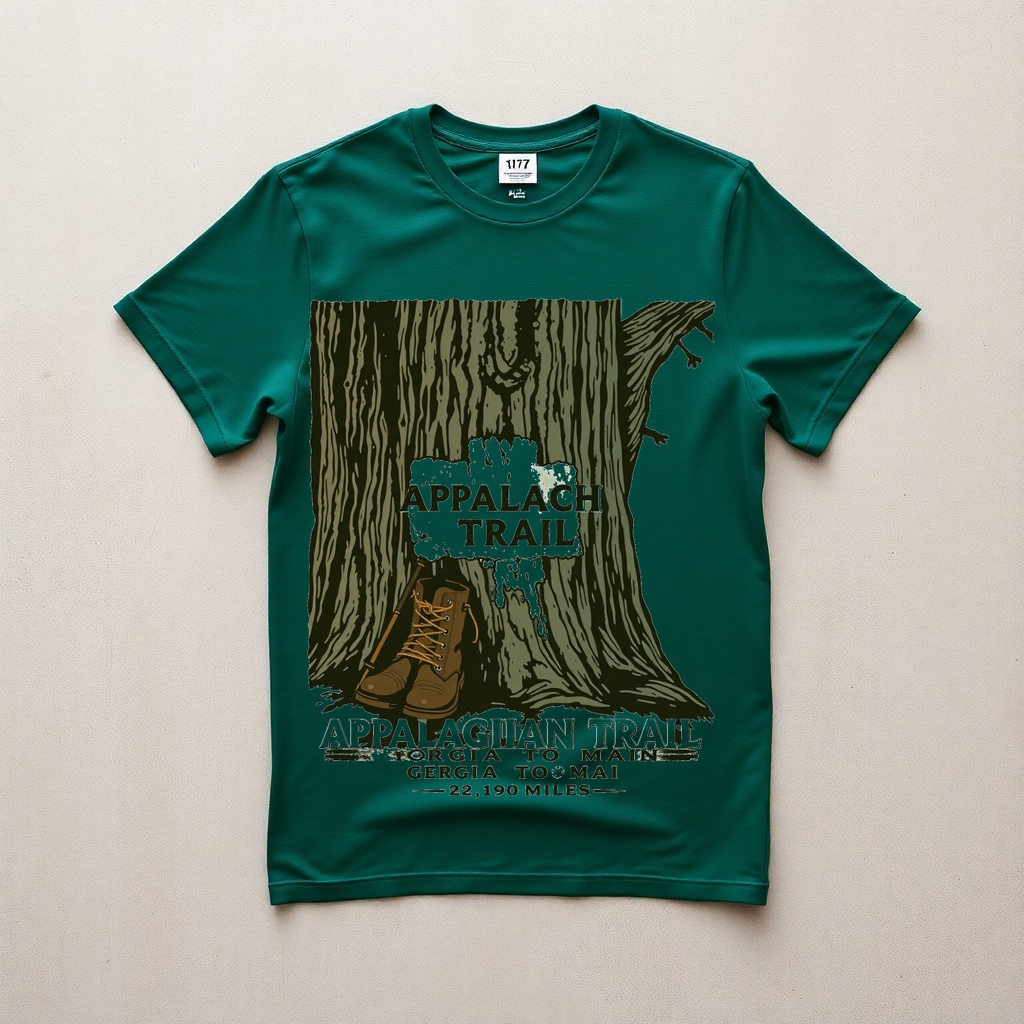
There is a simple, painted 2-by-6-inch white rectangle blazed onto tree bark that has captivated dreamers, wanderers, and endurance souls for over a century. Stretched across 2,190 miles of rugged Appalachian mountain ridgelines—from the rolling rhododendron gaps of Springer Mountain, Georgia to the windswept granite heights of Mount Katahdin, Maine—the Appalachian Trail (A.T.) is one of humanity’s greatest continuous footpaths.
Attempting a thru-hike is not merely a long walk. It is five to six months of voluntary simplicity, relentless elevation gain, drenching rainstorms, blisters, and an astonishing mental battle. It is learning to live out of a thirty-pound backpack and discovering that your body is capable of far more grit than modern suburban life ever demanded of you.
Whether you are dreaming of quitting your cubicle to attempt the legendary Triple Crown (Appalachian Trail, Pacific Crest Trail, Continental Divide Trail) or you are packing for a weekend section hike through the Blue Ridge, here is the field guide to trail resilience, hiker hunger, blister management, and the unique culture of America’s thru-hikers.
Embrace the Suck
Nearly 80% of thru-hike attempts end in abandonment before reaching Maine. It is rarely the knees or muscles that give out first—it is the mental fatigue of walking four consecutive days in freezing rain. Accepting adversity as the price of admission is the true secret to Katahdin.
1. The Geometry of the Trail: Gear Weight vs. Mile Count
Every single ounce in your pack must be carried up thousands of feet of elevation day after day. Modern thru-hiking was revolutionized by the “ultralight” philosophy: minimizing base weight (gear without food, water, or fuel) down to 10–14 pounds.
1.1. The Big Three Core System
- Shelter: Ultralight trekking-pole-supported silpoly or DCF (Dyneema) tents that weigh under two pounds.
- Sleep System: High-loft 800+ fill-power down quilts paired with an insulated R-value 4+ sleeping pad to prevent heat theft from frozen shelter floors.
- Pack: Frameless or minimalist aluminum-stay packs carrying 40–50 liters, forcing you to eliminate redundant “just-in-case” gadgets.
1.2. Footwear: Ditching Heavy Leather Boots
Old-school folklore recommended heavy steel-shank mountaineering boots for ankle support. Modern thru-hikers walk in lightweight, breathable trail running shoes with zero or low drops and wide toe boxes (like Altra or Topo). One pound on your feet equals five pounds on your back over a twenty-mile day. Trail runners dry infinitely faster after creek crossings and virtually eliminate debilitating blisters.
2. Trail Culture: Shelters, Trail Angels & Zero Days
The soul of long-distance hiking lies in the people you meet along the way:
- Three-Sided Lean-To Shelters: Every eight to twelve miles along the A.T., rustic timber shelters host communal evenings where tired hikers cook ramen over tiny camp stoves, compare trail mileage, and sign shelter logbooks with whimsical “trail names.”
- Trail Angels & Trail Magic: Strangers who set up roadside coolers with cold sodas, fresh watermelons, and hot grilled burgers at remote highway crossings out of pure generosity and love for the trail community.
- The Sacred “Zero Day”: A day where zero trail miles are walked. Hikers hitchhike into charming mountain trail towns (like Damascus, VA or Hanover, NH) to gorge on diner food, do laundry, and resupply.
“I went to the woods because I wished to live deliberately, to front only the essential facts of life, and see if I could not learn what it had to teach.” — Henry David Thoreau
3. Town Days & Resupply: The Luxury of Real Cotton
While hikers wear synthetic or merino wool layers while grinding miles under the hot sun, there is an unspoken ritual among long-distance walkers: the town shirt.
After six days of sweating in the same rank trail shirt, tossing your gear into a laundromat washer and pulling on a fresh, broken-in 6.1 oz heavyweight Comfort Colors 1717 cotton tee is pure euphoria. Natural ring-spun cotton feels like an embrace from home, looks classic at the local brewery, and withstands the punishment of being stuffed into resupply boxes across twenty trail towns.
4. Graphic Tees That Celebrate the Long Trail
At Rust & Roam Co., our hearts beat for the long trail. Explore these signature tees from our Thru-Hikers & Trail Collection:
Appalachian Trail White Blaze Heritage Tee
Vintage Wash Comfort Colors 1717 • $34.00
Featuring the iconic white blaze symbol that guides adventurers through 14 eastern states from Georgia to Maine.
Pacific Crest Trail Hiking Heritage Tee
Garment-Dyed Heavyweight Cotton • $34.00
Celebrating 2,650 miles from the Mexican border through the High Sierra granite to British Columbia.
5. Blister Management: The Thru-Hiker’s Achilles Heel
A single hot spot ignored can develop into a nickel-sized blister that sidelines your hike:
- Stop Immediately at the “Hot Spot”: The second you feel friction or heat on your heel or ball of your foot, sit down. Apply Leukotape directly to dry skin. Leukotape breathes, stays adhered through multiple stream crossings, and prevents blister formation.
- Airing Feet at Lunch: Remove shoes and socks during midday water breaks. Drying out sweaty feet halts skin maceration.
- Toe Socks (Injinji): Individual toe socks eliminate skin-on-skin friction between toes, reducing between-toe blisters to zero.
6. Frequently Asked Questions About Long-Distance Hiking
How much does a full Appalachian Trail thru-hike cost?
Most hikers spend between $6,000 and $9,000 for a five-to-six-month thru-hike. While camping in the woods is free, the major expenses come from hostel stays, massive diner meals in resupply towns, replacing worn-out trail shoes (most hikers burn through 4 to 5 pairs), and gear replacements.
What is “Hiker Hunger”?
Around week three or four, a hiker’s body completely burns through stored fat reserves and ramps metabolism into overdrive. Thru-hikers routinely burn 4,000 to 6,000 calories per day, leading to an insatiable appetite where eating an entire large pizza followed by a pint of ice cream is just a light lunch.
Celebrate the Spirit of the Long Trail
Discover authentic graphic tees screen-printed on durable 6.1 oz Comfort Colors 1717 blanks in Austin, Texas.
Written by The Rust & Roam Editorial Team
Born out of dusty backroads, early dawn river casts, and crackling pine embers. We obsess over heavyweight Americana blanks, breathable water-based inks, and timeless heritage gear that wears in, not out.