
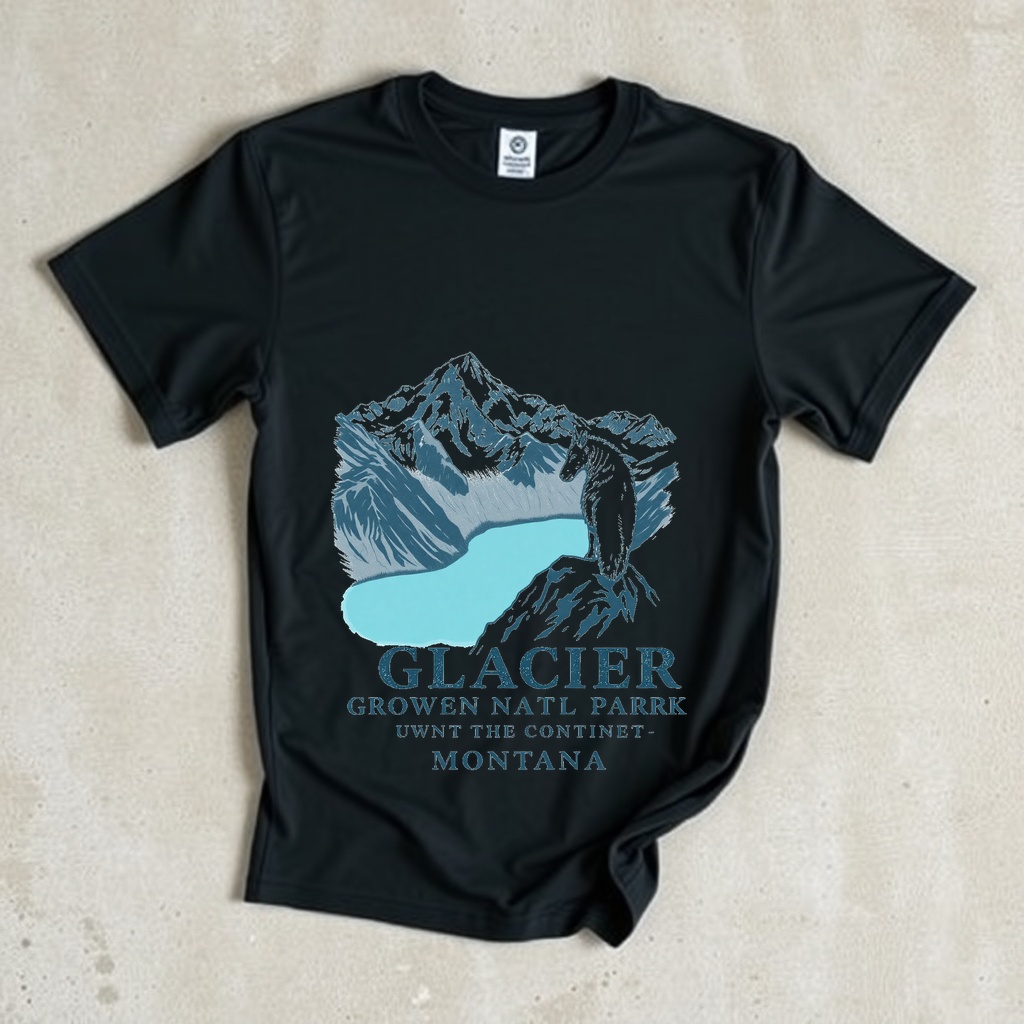
There are places in North America where nature still commands absolute, terrifying reverence. Straddling the Continental Divide in northwestern Montana, Glacier National Park is rightfully crowned the “Crown of the Continent.” It is a primeval cathedral of razor-sharp arêtes, glacial cirques carved over millennia, turquoise alpine tarns fed by ancient ice sheets, and vertical granite cliffs that plummet thousands of feet into emerald pine valleys.
Here, wildlife does not exist for human entertainment. Grizzly bears roam the avalanche chutes in search of glacier lilies and huckleberries; golden eagles ride roaring thermal updrafts above glacial moraines; and high above the treeline, where human lungs burn for oxygen, the iconic Rocky Mountain goat reigns supreme on impossible vertical limestone ledges.
Whether you are planning your first traverse across the legendary Going-to-the-Sun Road or backpacking the Highline Trail toward Granite Park Chalet, here is our comprehensive field guide to Glacier’s rugged alpine wildlife, backcountry trail etiquette, and the durable heavyweight cotton tees engineered to withstand Rocky Mountain weather.
You Are a Guest in Grizzly Territory
Glacier holds the highest density of grizzly bears in the lower 48 states. Always carry EPA-approved bear spray on your hip—never tucked inside your pack—hike in groups, make frequent noise on blind switchbacks, and maintain a strict 100-yard distance from all apex predators.
1. Sovereign of the High Cliffs: The Rocky Mountain Goat
No creature epitomizes the spirit of Glacier National Park quite like Oreamnos americanus, the Rocky Mountain goat. With their thick double coats of pure white wool, black curved horns, and cloven hooves equipped with textured, rubber-like traction pads, these alpine masters navigate sixty-degree rock faces with effortless nonchalance.
1.1. Highline Trail Encounters
Hike out from Logan Pass along the sheer rock ledge of the Highline Trail, and you will frequently encounter mountain goats resting casually on narrow scree ledges. While accustomed to human presence, they are powerful wild animals with dagger-sharp horns. Federal park regulations strictly mandate maintaining at least 25 yards of distance from all goats and bighorn sheep.
1.2. The Mineral Craving
Mountain goats possess an insatiable biological hunger for mineral salts, especially sodium. In summer months, they are frequently drawn to hiking trails and backcountry campsites to lick sweat residue off discarded trekking poles and rocky soil. Never leave salty clothing unattended, and always use designated park privies.
“Give a month at least to this precious reserve. The time will not be taken from the sum of your life. Instead of-shortening, it will indefinitely lengthen it and make you truly rich.” — John Muir
2. Going-to-the-Sun Road: The Engineering Marvel
Completed in 1932 after two decades of perilous construction, the 50-mile Going-to-the-Sun Road traverses the breadth of the park from West Glacier to St. Mary. Passing beneath the roaring cascades of the Weeping Wall, the highway crests the Continental Divide at Logan Pass (elevation 6,646 feet).
Driving this narrow, historic corridor requires steady nerves, unhurried patience, and respect for changing mountain weather. In mid-summer, temperatures can swing from a balmy 78°F at Lake McDonald to a bone-chilling 38°F with howling 45 mph alpine winds at Logan Pass in less than forty-five minutes.
3. Alpine Layering: Why Dense 6.1 oz Cotton Is Essential
While high-exertion ascents call for technical moisture-wicking layers, nothing beats heavyweight 6.1 oz ring-spun cotton like the Comfort Colors 1717 when relaxing at camp, driving open-window passes, or resting at alpine chalets:
- Thermal Core Protection: The substantial 6.1 oz weave blocks cold mountain drafts far more effectively than thin synthetic fashion shirts.
- Campfire Durability: As alpine evening temperatures plunge, backcountry fires are essential. Pure ring-spun cotton naturally resists stray sparks and embers that destroy synthetic fleeces.
- Pre-Shrunk Comfort: Double-needle collar topstitching and relaxed tubular construction keep the shirt hanging perfectly without binding under heavy backpack straps.
4. Graphic Tees Celebrating America’s Crown Wilderness
At Rust & Roam Co., our Austin design workshop draws immense inspiration from Montana’s wild peaks. Explore these customer favorites from our National Parks & Wildlife Graphic Tee Collection:
Glacier Mountain Goat Heritage Tee
Vintage Wash Comfort Colors 1717 • $34.00
Honoring the sovereign climber of Logan Pass and the rugged alpine peaks of northern Montana.
All 63 National Parks Postage Stamp Tee
Garment-Dyed Heavyweight Cotton • $34.00
A complete tribute to America’s most sacred public lands screen-printed with breathable inks.
Olympic Rainforest Moss & Elk Tee
Heritage Ring-Spun Cotton • $34.00
Capturing ancient Hoh rainforest old-growth canopies and majestic Roosevelt elk bulls.
5. Frequently Asked Questions About Glacier National Park
When is Going-to-the-Sun Road fully open for vehicle traffic?
Due to massive winter snowpacks reaching forty feet at Logan Pass, the full road typically opens between late June and early July and remains open until the first major winter snowstorms in mid-October. Vehicle reservations are typically required during peak summer hours.
What should I do if a mountain goat approaches me on the trail?
Never run. Slowly back away while facing the animal to re-establish a 25-yard buffer. If the goat continues to follow aggressively, stand tall, raise your trekking poles or backpack to appear larger, shout loudly, and be prepared to deploy bear spray if an animal charges.
Roam America’s Greatest Wilderness
Explore our complete collection of vintage National Parks graphic tees printed on durable 6.1 oz Comfort Colors 1717 blanks.
Written by The Rust & Roam Editorial Team
Born out of dusty backroads, early dawn river casts, and crackling pine embers. We obsess over heavyweight Americana blanks, breathable water-based inks, and timeless heritage gear that wears in, not out.