
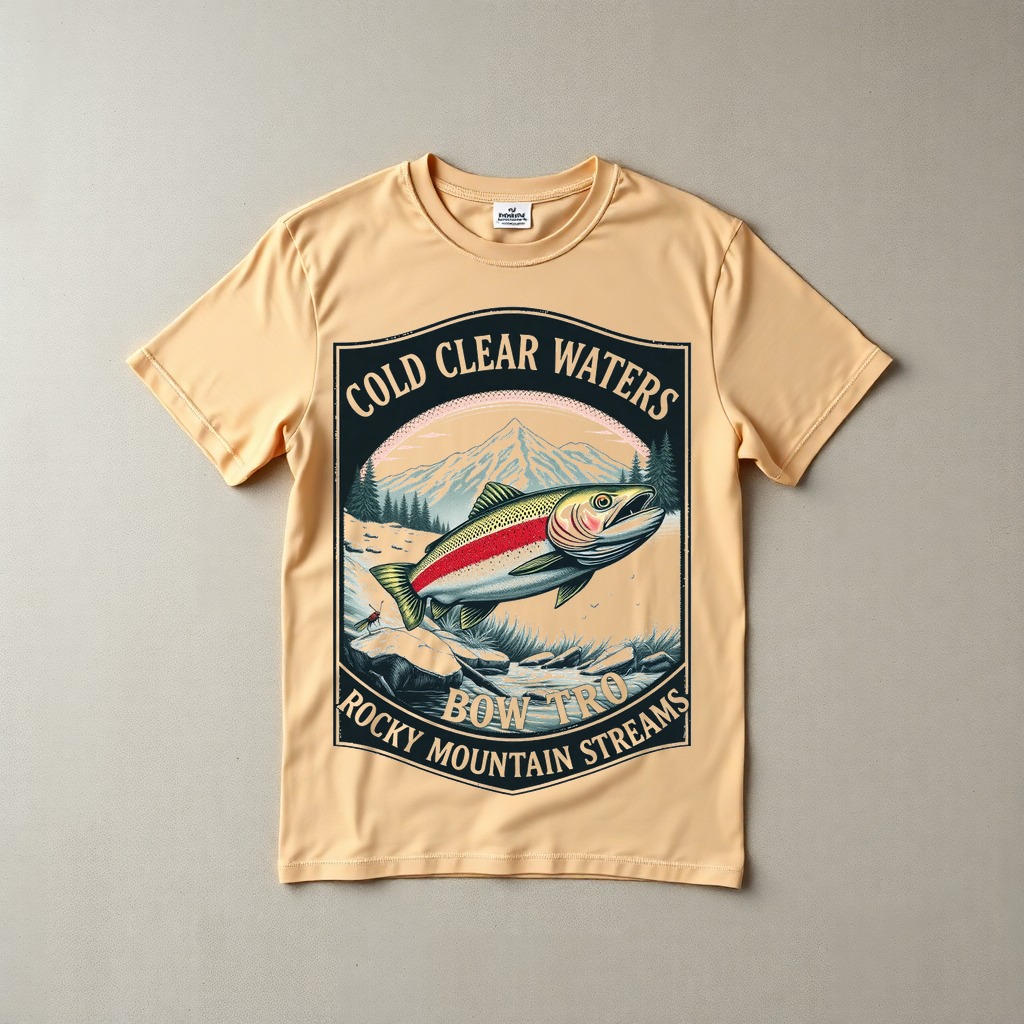
At 9,000 feet in the Colorado Rockies, dawn breaks with a crisp, biting chill. Mist rises off the boulder-choked freestone creek as glacial runoff tumbles through stands of subalpine fir and quaking aspen. The water is gin-clear, hovering right around 46 degrees Fahrenheit—the exact thermodynamic sweet spot for Oncorhynchus mykiss, the wild North American rainbow trout.
Unlike hatchery-bred fish that lazily patrol muddy public reservoirs, high-country wild rainbows are apex river athletes. Dressed in iridescent crimson lateral flanks, deep olive backs, and dense black stippling, they hold in fierce mountain currents where a single miscalculation sweeps an insect downstream in milliseconds.
Fly fishing high-gradient mountain streams is not about sixty-foot tournament casts. It is a stealthy, intimate game of reading water hydraulics, creeping along boulder ledges, making short twenty-foot roll casts, and presenting dry flies with zero micro-drag.
Whether you are packing a 4-weight fly rod into a remote alpine wilderness basin or drifting freestone seams on a weekend getaway, here is our master field guide to reading mountain water, locating wild rainbow trout lies, matching high-country hatches, and the durable heavyweight cotton tees built for fireside campcraft.
Foam Is Home
In tumbling freestone mountain streams, bubbles and white foam indicate the primary current seam where surface insects collect like an all-you-can-eat buffet. If you aren’t drifting your dry fly along the foam line, you are fishing empty water.
1. Reading the Seams: Where Wild Rainbow Trout Hold
Trout are thermodynamic calculators. They cannot afford to burn more calories battling fast whitewater than they consume in food. To find trophy wild rainbows, look for these three primary hydraulic holding lies:
1.1. Pocket Water Cushions
When fast current collides with a submerged river boulder, water bunches up on the upstream side (the pillow) and creates a calm, swirling eddy on the downstream side (the pocket). Trout sit in the calm downstream pocket, darting upward to intercept mayflies floating along the roaring boundary seam.
1.2. Undercut Riverbanks & Overhanging Willows
Centuries of spring runoff carve deep cavernous channels underneath earthen banks stabilized by alpine willow roots. These shadowy undercuts offer wild rainbows supreme overhead protection against osprey, eagles, and river otters.
1.3. Pool Tailouts
At the shallow tail-end of a deep river pool, current accelerates before spilling over into the next gravel riffle. During active evening insect hatches, rainbows move into this shallow flat water to feed aggressively on drifting emergers.
“Many men go fishing all of their lives without knowing that it is not fish they are after.” — Henry David Thoreau
2. High-Country Hatches: Opportunistic Feeding in Short Summers
Because alpine mountain winters last eight months, high-altitude trout have a narrow window to pack on calories. While spring creeks require hyper-technical size 24 midges, mountain freestone streams reward bold, high-floating attractor dry flies:
- Chubby Chernobyl (Sizes 8–12): A high-floating foam terrestrial that imitates stoneflies and grasshoppers, buoyant enough to suspend a heavy tungsten beadhead nymph below it.
- Elk Hair Caddis (Sizes 12–16): The quintessential mountain fly. Flared hollow elk hair rides turbulent pocket water without sinking.
- Royal Wulff (Sizes 12–14): Highly visible white calf tail wings make tracking this classic attractor effortless in glaring mountain sun and white foam.
3. Cold River Comfort: Why 6.1 oz Ring-Spun Cotton Is Essential at Camp
Wading chest-deep in 46-degree snowmelt water for six hours demands intense physical focus. When you finally reel in your line, unstrap heavy neoprene waders, and climb the riverbank into camp, there is no sensory comfort comparable to pulling on a thick, dry, 6.1 oz garment-dyed ring-spun cotton tee:
- Thermal Core Insulation: Dense 6.1 oz cotton cuts through chilling evening river breezes far better than flimsy synthetic fashion shirts.
- Campfire Ember Protection: Pine and cedar campfires pop sparks constantly. While nylon fleeces melt immediately, 100% natural cotton resists embers effortlessly.
- Velvety Broken-In Softness: Comfort Colors 1717 blanks are pre-shrunk in intense pigment wash baths, arriving with a buttery softness that cradles tired casting shoulders. For more on sizing, read our 1717 Fit & Measurement Guide.
4. Rust & Roam’s Fly Fishing & Wilderness Collection
At Rust & Roam Co., our stream apparel honors the wild rivers of the American West. Discover our top-rated pieces from the Fly Fishing & Wilderness Rivers Collection:
Rainbow Trout Cold Currents Tee
Vintage Wash CC 1717 • $34.00
Capturing the electric crimson flank, wild river currents, and cold mountain freestone spirit.
Glacier Mountain Goat Heritage Tee
Garment-Dyed Heavyweight • $34.00
Celebrating Logan Pass, glacier-fed alpine tarns, and high-cliff Montana wilderness.
Olympic Rainforest Moss & Elk Tee
Heritage Ring-Spun Cotton • $34.00
Honoring Pacific Northwest coastal rivers, ancient Hoh rainforests, and Roosevelt elk.
All 63 National Parks Postage Stamp Tee
Vintage Wash CC 1717 • $34.00
A complete tribute capturing every revered public land and wilderness watershed in the nation.
5. Frequently Asked Questions (FAQ)
What fly rod setup is best for small mountain streams?
A 7-foot-6-inch to 8-foot-6-inch 3-weight or 4-weight fly rod paired with a weight-forward floating fly line is ideal. This shorter, nimble rod allows you to make precise casts beneath overhanging alder branches and gently drop dry flies into tight pocket water cushions without spooking fish.
Why is barbless catch-and-release vital for wild trout?
Wild native trout grow slowly in cold, nutrient-sparse alpine streams. Using barbless hooks allows for instant, trauma-free hook removal. Always wet your hands before touching a trout to protect its delicate protective slime coating, and revive the fish gently in calm water until it kicks away under its own power.
Where can I explore more heritage fly fishing and river guides?
Dive into our comprehensive companion journal: Mountain Fly Fishing: Heritage Waters, Casting & River Craft.
Cast Into Sacred Waters
Explore our authentic fly fishing and wilderness river graphic tees printed on durable Comfort Colors 1717 blanks.
Written by The Rust & Roam Editorial Team
Born out of dusty backroads, early dawn river casts, and crackling pine embers. We obsess over heavyweight Americana blanks, breathable water-based inks, and timeless heritage gear that wears in, not out.