
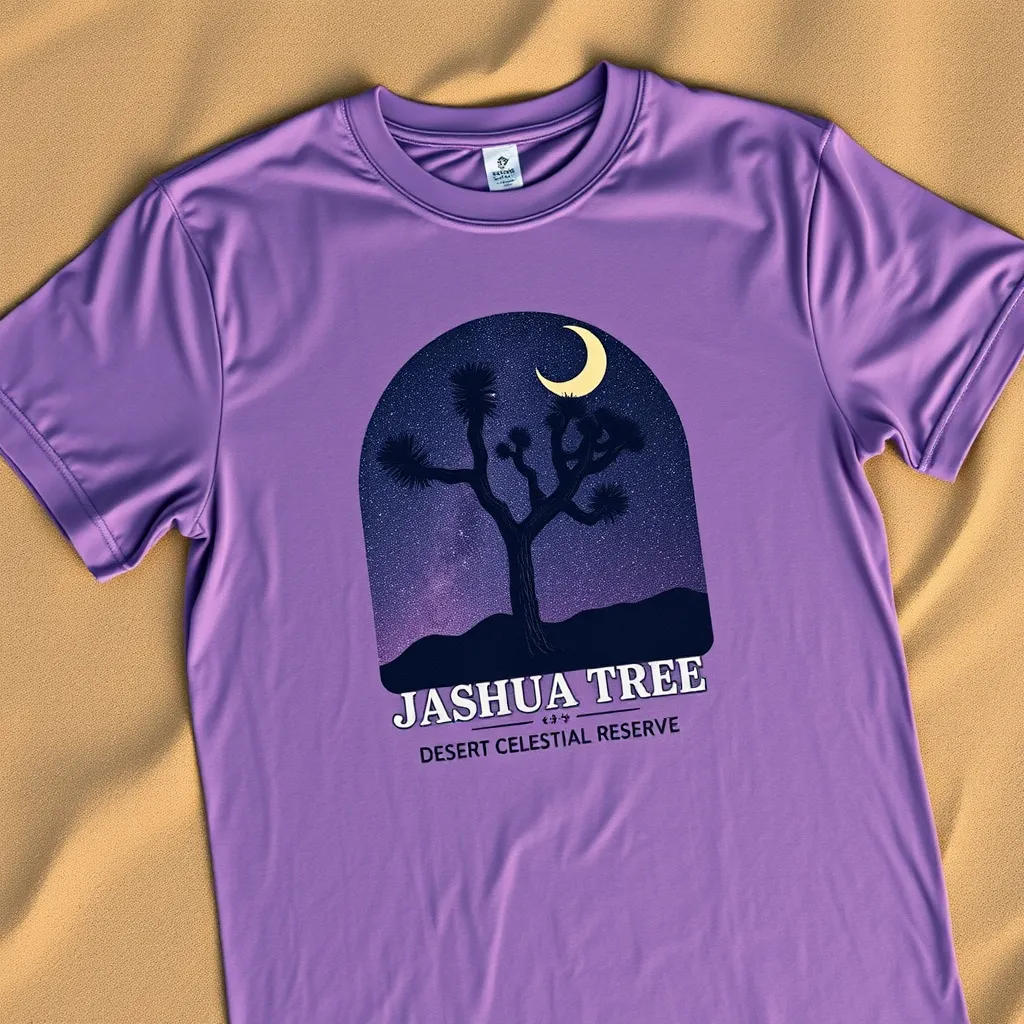
“When twilight descends over Joshua Tree, the granite monoliths release the day’s heat, the wind whispers through twisted yucca arms, and you are left standing beneath an ocean of diamond stars.”
Spanning nearly 800,000 acres across southern California, Joshua Tree National Park is a landscape sculpted by deep geologic time, seismic fractures, and brutal desert weather. Here, two distinct desert ecosystems collide: the low, dry Colorado Desert in the east and the higher, cooler, wetter Mojave Desert in the west. This ecological boundary creates a surreal topography where prehistoric monzogranite boulders rise abruptly from golden sand and vast forests of Yucca brevifolia stretch toward jagged horizon ridgelines.
1. The Convergence of Two Deserts: Colorado vs. Mojave
Dropping into the park from the south via Cottonwood Canyon, you begin in the Colorado Desert below 3,000 feet, where the landscape is dominated by spiny creosote bushes, blooming ocotillo, and the fierce, spine-covered jumping cholla of the Cholla Cactus Garden. But as you climb west toward Ryan Mountain and Hidden Valley, the elevation climbs past 4,000 feet, crossing into the Mojave Desert ecosystem.
Instantly, the iconic Joshua Trees appear. These aren’t true trees at all, but rather giant succulents of the agave family. Mormon pioneers named them after the biblical prophet Joshua, seeing their twisted, upturned limbs as welcoming guides pointing the way forward. We honored this striking desert icon in our Joshua Tree Mojave Desert Sunset Yucca Wilderness Tee, printed on heavyweight garment-dyed cotton built for camp dust.
2. Monzogranite Monoliths & Trad Climbing Lore
The legendary boulder piles of Jumbo Rocks, Wonderland of Rocks, and Intersection Rock were formed more than 100 million years ago when molten magma cooled underground and was slowly exposed by millions of years of groundwater erosion. Today, Joshua Tree is revered as one of the world’s premier traditional rock climbing and bouldering meccas.
The coarse monzogranite offers unmatched friction, but it tests an adventurer’s fingertips and denim. Scrambling up the cracks of Hall of Horrors or watching sunset paint the granite face of Ryan Mountain in fiery terracotta, you feel the raw pulse of the American Southwest that inspired outlaw wanderers and desert artists alike.
3. Dark Sky Nights Beneath the Yucca Silhouette
Designated an International Dark Sky Park, Joshua Tree offers some of the clearest night sky viewing in Southern California. Once the sun dips below the Little San Bernardino Mountains, the temperature drops rapidly by 40 degrees, and the celestial curtain opens.
Astrophotographers set long-exposure tripods among the boulders of White Tank campground, framing the glowing arm of the Milky Way directly behind the jagged branches of ancient yuccas. The cosmic silence of the high desert brings an unmatched peace—a feeling captured in our bestselling Joshua Tree Night Sky Astrophotography Celestial Tee and our Milky Way Core Desert Mesa Heavyweight Tee.
4. Desert Campcraft: Hydration, Layering & Campfire Protocol
Camping in Joshua Tree requires self-reliance: there is no running water inside the park campgrounds, and fire restrictions are strictly enforced to protect fragile desert vegetation. Pack at least two gallons of water per person per day, bring firewood purchased locally outside the park boundary, and prepare your camp stove for hearty tailgate cooking.
When desert nights bite, layering is essential. A ring-spun 6.1 oz heavyweight cotton tee serves as the ideal breathable base layer under a flannel or canvas barn coat, keeping you comfortable from blistering midday boulder scrambles to freezing midnight stargazing watches.
Wear the High Desert Solitude
Heavyweight 6.1 oz Comfort Colors 1717 tees in Terracotta, Desert Pepper, and Sandstone Khaki.
Written by The Rust & Roam Editorial Team
Born out of dusty backroads, early dawn river casts, and crackling pine embers. We obsess over heavyweight Americana blanks, breathable water-based inks, and timeless heritage gear that wears in, not out.