
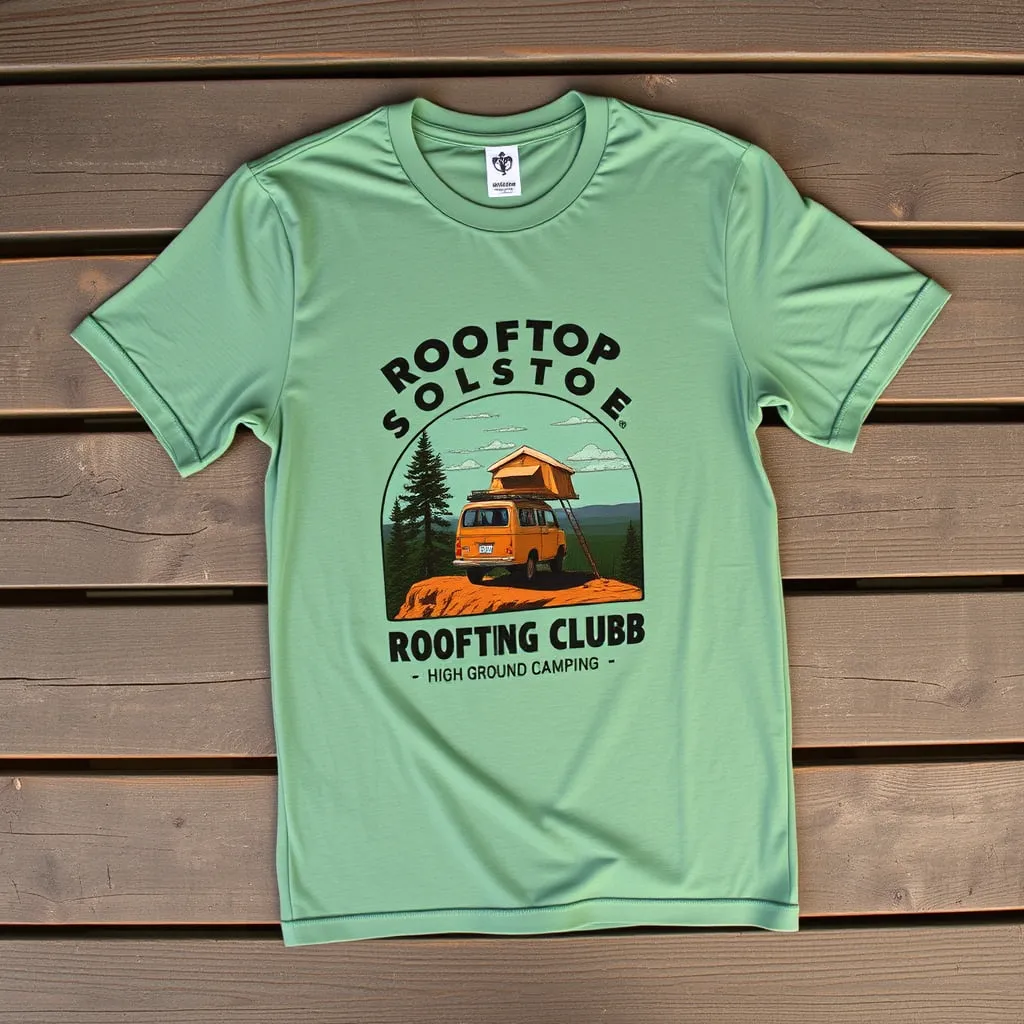
“There is an unmatched purity when low range locks into four-wheel drive, the pavement ends, and your camp is pitched six feet above the alpine rock on a 12,000-foot shelf road.”
Overlanding isn’t just off-roading, and it isn’t just car camping. It is self-contained, vehicle-dependent travel across remote backcountry terrain where the journey itself is the objective. While crowded state park campgrounds require reservations months in advance, an overland rig unlocks millions of acres of dispersed BLM and US Forest Service public lands—delivering true silence above the treeline.
1. The Rooftop Sanctuary: High-Elevation Camp Comfort
The modern rooftop tent (RTT) revolutionized overland camp setup. Hard-shell aluminum designs pop open on gas struts in under 45 seconds, complete with built-in high-density foam mattresses and weather-sealed ripstop canvas. Sleeping elevated keeps you away from rocky uneven ground, desert scorpions, and freezing mud.
More importantly, an RTT transforms any level turnout on a Colorado high mountain pass or Utah canyon rim into a five-star bedroom with panoramic sunrise views. We celebrate this rooftop solitude culture in our popular Overland RTT Rooftop Solitude Club Mountain Camp Tee, hand-drawn for true trail roamers.
2. The Physics of Recovery: Kinetic Snatch Ropes vs. Chains
When you venture past cell service into deep sand, axle-deep mud, or loose scree, vehicle recovery gear is not optional—it is life safety equipment. Too many novice trail drivers make the dangerous mistake of using static tow straps or rigid steel chains for snatch recoveries, which transfer violent shock loads directly to frame horns and hitch pins.
A kinetic recovery rope (such as Bubba Rope or braided nylon kinetic snatch straps) stretches up to 30%, accumulating kinetic energy like a giant rubber band to gently slingshot a stuck 4×4 out without catastrophic metal fatigue. Pair your rope with soft shackles, a heavy-duty rated winch with synthetic line, and a tree saver strap. Our Winch & Recovery Chain Trail Rescue Division Tee pays tribute to the trail crews who never leave a partner behind.
3. Solid Axles & Manual Hubs: Why Vintage 4WD Never Dies
Modern overland builds are packed with digital crawl control and electronic sway-bar disconnects, but seasoned trail veterans still swear by the bulletproof simplicity of manual locking hubs, gear-driven transfer cases, and solid front axles.
From legendary 1985 solid-axle Toyota 4Runners to 1976 International Scout IIs and classic Jeep CJ-5s, mechanical simplicity means field serviceability. When you are fifty miles deep in Death Valley or climbing Imogene Pass, a mechanical rig you can fix with a 14mm socket and a roll of bailing wire is pure confidence. Check out our 1985 4Runner Solid Axle Summit Division Tee and 1976 Scout II Mountain Traverse Tee.
4. Backcountry Overland Etiquette & Tread Lightly
The privilege of roaming free public lands comes with the responsibility of stewardship. Never blaze new trails through fragile alpine tundra or biological soil crusts. Air down your tires to 15–18 PSI to increase footprint, provide a smoother ride, and minimize trail washboard erosion. Pack out all trash, drown campfires dead out until ashes are cold to the touch, and leave the wilderness cleaner than you found it.
Gear Built for No Pavement
Heavyweight vintage 6.1 oz tees built for wrenching, airing down, and high-shelf road camps.
Written by The Rust & Roam Editorial Team
Born out of dusty backroads, early dawn river casts, and crackling pine embers. We obsess over heavyweight Americana blanks, breathable water-based inks, and timeless heritage gear that wears in, not out.