
“When your headlamp beam cuts through sub-freezing timberline blackness at 4:00 AM, the world narrows to your breath, the crunch of frost beneath your boots, and the colossal granite silhouette towering two miles above sea level.”
Across the jagged backbone of the Rocky Mountains, the state of Colorado is home to 58 distinct peaks rising above 14,000 feet in elevation—known affectionately to mountaineers, trail runners, and backcountry wanderers simply as “the 14ers.” From the gentle tundra ramps of Mount Elbert and Mount Massive to the knife-edge class-4 exposure of Capitol Peak and the treacherous volcanic bells of the Maroon Bells Wilderness, climbing a 14er is a rite of passage that tests human endurance, route-finding intuition, and respect for wild weather.
1. The Sacred 3:00 AM Alpine Start
The cardinal rule of high-altitude Colorado mountaineering is simple: be off the summit and below the treeline by noon. Summer days in the Rockies dawn with crystalline blue skies, but by 11:30 AM, solar heating pushes hot valley air up mountain slopes, condensing into violent cumulonimbus thunderheads that unleash lightning, hail, and gale-force wind gusts.
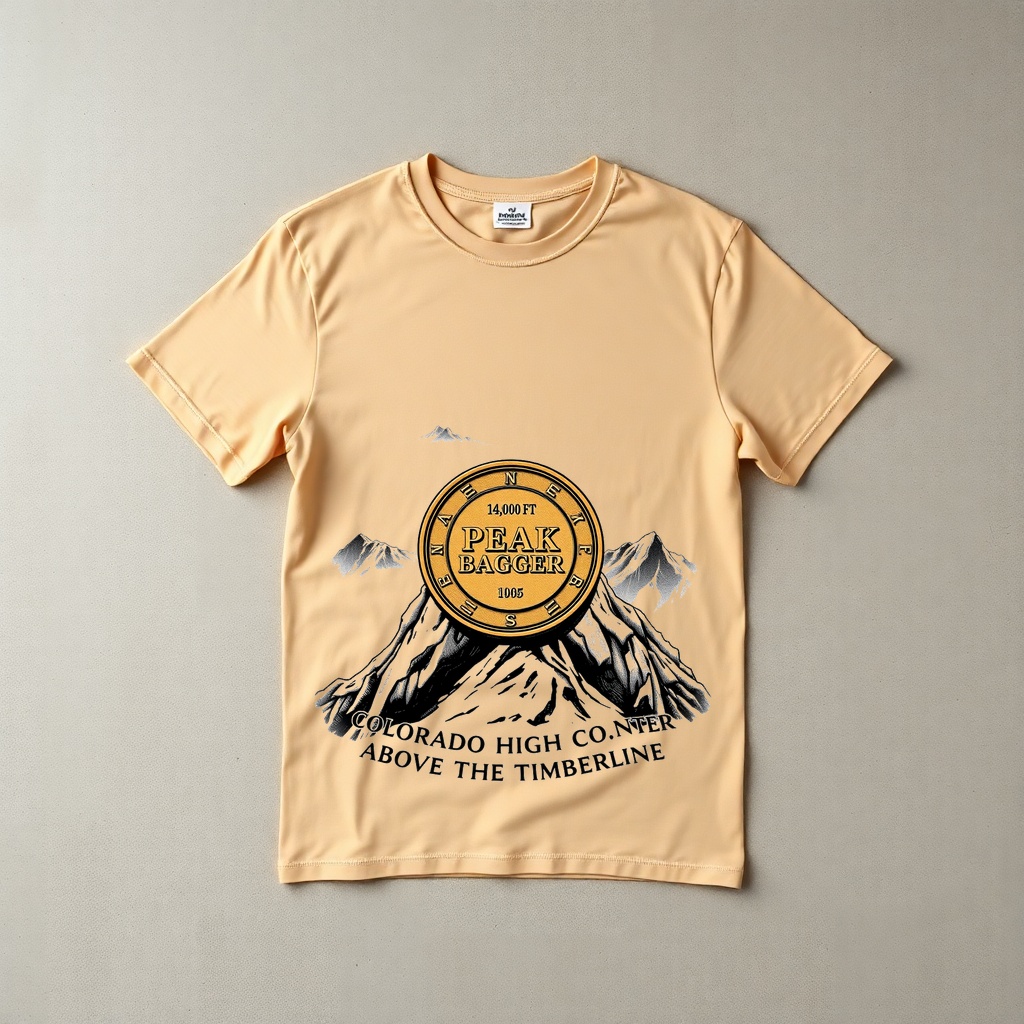
To beat the storm cycle, 14er veterans embrace the “alpine start”—waking up at 2:30 AM at the trailhead or dispersed forest camp, boiling a quick mug of camp coffee over a hissing backpacking stove, and stepping out into the dark. Crossing timberline at 11,500 feet just as the eastern horizon blushes with crimson and violet light is an emotional experience that words can barely hold. We captured this high-altitude obsession in our Colorado 14er Mountain Peak Bagger Tee, printed on heavyweight 6.1 oz ring-spun cotton.
2. Reading the Talus: Scree Scrambles & High-Altitude Acclimatization
Above 12,500 feet, soil gives way to endless boulder fields known as talus and scree. Navigating steep loose rock requires deliberate foot placement—testing each refrigerator-sized block before committing body weight, keeping your center of gravity low, and watching for rockfall triggered by hikers above.
At 14,000 feet, every breath delivers only 60% of the oxygen available at sea level. The secret to summit success isn’t raw speed; it’s the “rest step”—locking the trailing knee on each step uphill to give quadriceps a momentary rest, maintaining a rhythmic, meditative pace. Celebrate the grind with our Just One More Switchback Alpine Tee and First Light Ridge Line Sunrise Tee.
3. The High-Ridge Layering System
Temperature swings on a 14er climb are brutal. At the trailhead, dawn temps might hover at 35°F, while midday switchbacks under direct high-UV sun feel like 75°F, only for summit ridge winds to plummet windchill back below freezing.
A heavy garment-dyed cotton tee provides the perfect breathable, durable base layer that won’t tear on coarse granite when scrambling chimneys or chimneying couloirs. Pair it with a lightweight grid-fleece and a compressible windproof shell so you can adjust your microclimate without breaking stride.
4. Leave No Trace on Fragile Alpine Tundra
The delicate cushion plants, alpine forget-me-nots, and moss campion that carpet the tundra between 12,000 and 13,500 feet take up to a century to grow just a few inches. Stay strictly on established cairned routes or durable rock surfaces. Every step off-trail damages ecosystems that endure 9 months of brutal sub-zero snow cover. Pack out every scrap of energy bar wrappers, fruit peels, and summit cardboard signs so the next climber experiences the same untamed wilderness.
Wear the 14,000-Foot Summit Grit
Heavyweight 6.1 oz Comfort Colors 1717 tees in Granite Grey, Alpine Navy, and Washed Moss.
Written by The Rust & Roam Editorial Team
Born out of dusty backroads, early dawn river casts, and crackling pine embers. We obsess over heavyweight Americana blanks, breathable water-based inks, and timeless heritage gear that wears in, not out.